
Reduce the risk of false alarms. Thanks to PET-immune detectors
Content
Are you installing alarms for clients with pets? You probably often encounter the problem of false alarms triggered by animals. Thanks to PIR motion detectors with PET immunity, you can get rid of these problems. However, you must consider the correct placement and limits of the product.
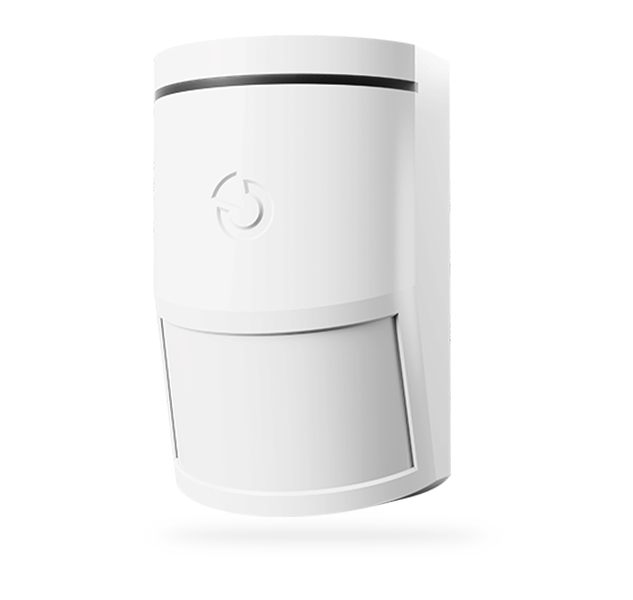
What is PET immunity? It is the basic resistance of infrared passive motion detectors to false alarms caused by pets. How does it work? In the JA-110P PET and JA-154P PET detectors, a Fresnel lens with detection characteristics that ignore the lower part of the detector's "view" is placed in front of the sensor.
Both devices have the lens installed directly from the factory and are certified for security grade 2.
How does it work?
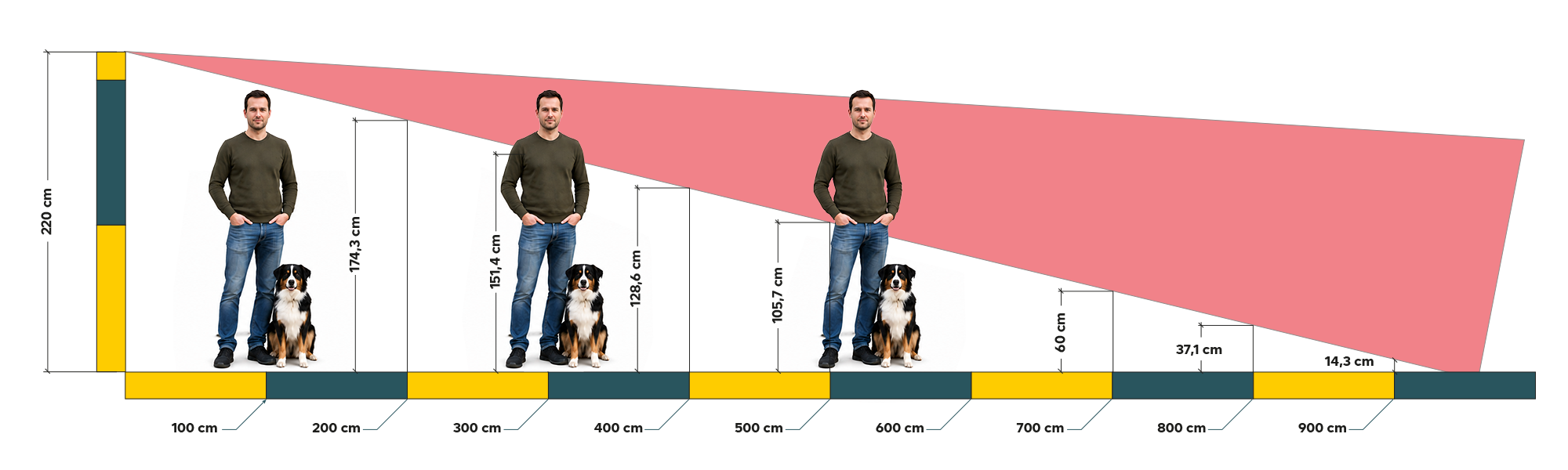
The PET immunity function is illustrated in the following diagram. When positioned correctly, the detector reliably detects a person from a distance of approximately 3.5 metres. Conversely, thanks to a special lens, it ignores smaller animals moving on the ground up to a distance of approximately 7.5 metres.
Please note that the intended function of the device is to ignore movement directly above the floor. If an animal jumps onto furniture, for example, there is a risk of a false alarm. Detection elimination works for smaller animals – the smaller the animal at a greater distance, the less likely an alarm is to be triggered, even if the detection zone is partially disturbed.
Please note that detectors with basic PET immunity cannot ignore cats, parrots and other animals moving at heights near the detector. At the same time, they may not ignore the movement of a robotic vacuum cleaner, which emits warm air during operation, disrupting the detection zone above the floor.
In order for the detectors to work reliably, certain conditions must be met:
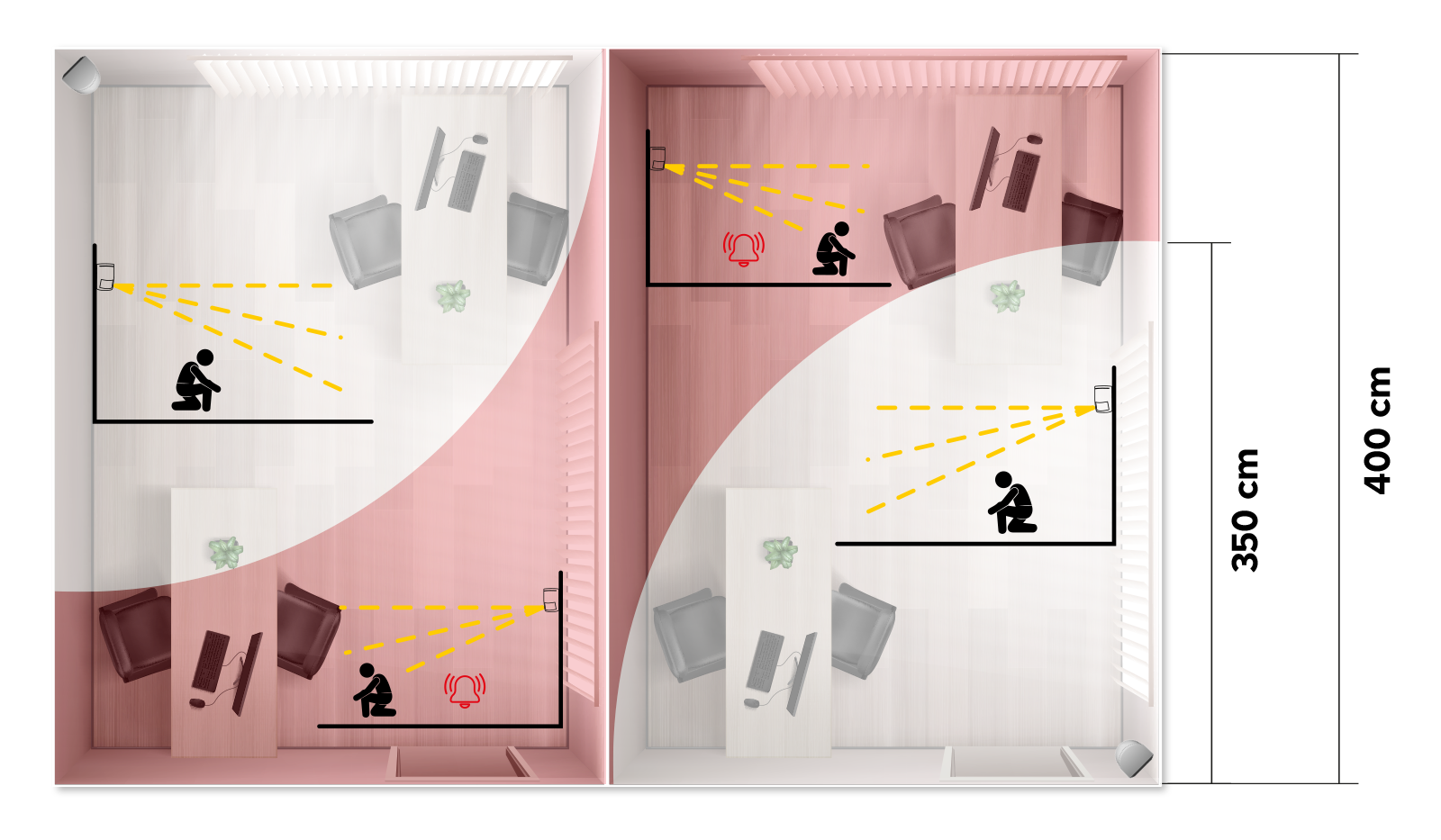
- Suitable dimensions and shape of the detected space – In a room that is too large, unwanted detection of animals at a greater distance may occur. Conversely, in smaller spaces, the system may not reliably detect a potential intruder.
- Ideal height of 2.2 metres – A detector that is too high under the ceiling will not cover the entire space sufficiently. At the same time, it is a good idea to install it in the corner opposite the entrance to the room (not above the door) so that the perpetrator cannot walk under it.
Combine systems and alternatives
It is always necessary to properly assess the space you are going to secure and choose the right protection system.
- Division of the property – Try to solve the security of the property by dividing the rooms into those where the animal can go and those where it cannot. You can then secure the space for the animal with perimeter detectors.
- Perimeter protection – This is a suitable alternative for areas that cannot be effectively secured using internal motion detectors. Detection of windows and doors being opened or glass being broken is not only completely immune to pets, but also highly reliable against false alarms caused by other environmental influences. In addition, it can alert the user to an open window, for example, when activated.
- Outdoor motion detectors – These have a special design consisting of two sensors with advanced analysis and high resistance to environmental influences. Regardless of the size and shape of the room, they ignore both animals moving on the ground and flying birds. They are well suited for use in basements, garages, etc., where pets may take refuge during the winter.
Recommended products
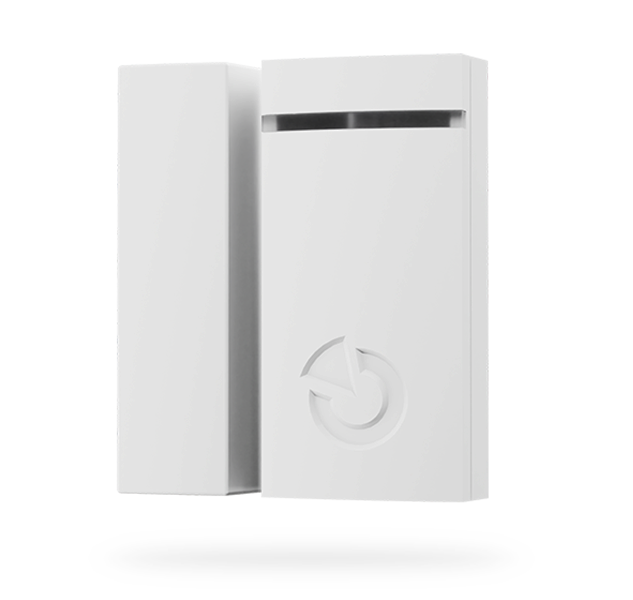 JA-111M
Mini bus magnetic detector
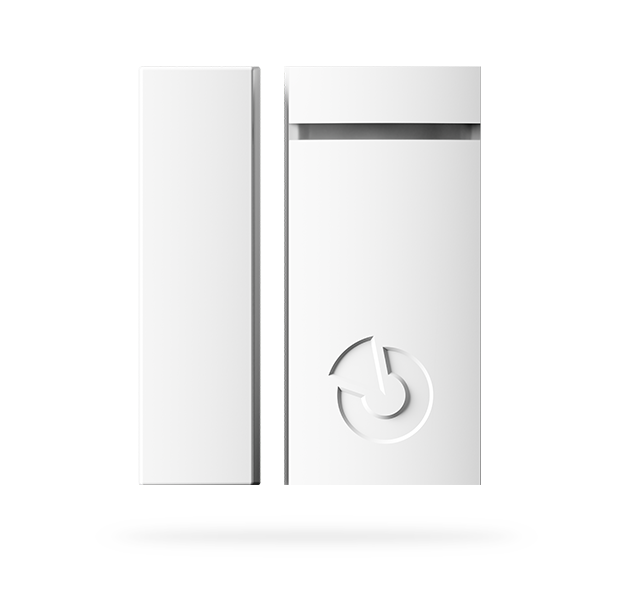 JA-155M
Wireless mini magnetic detector
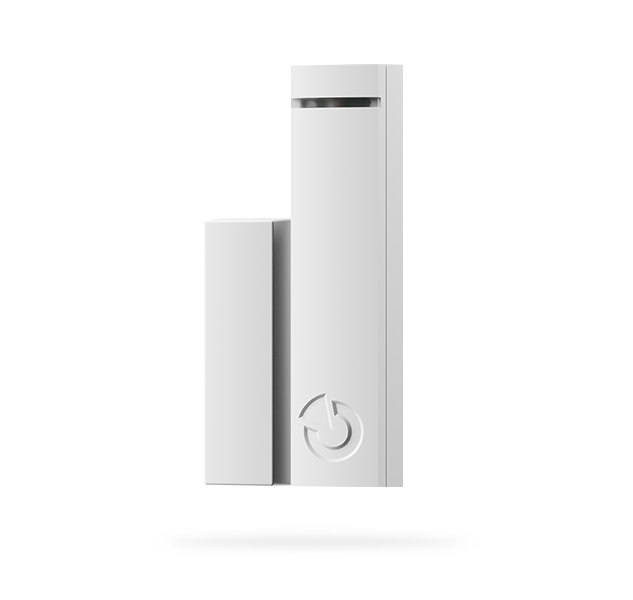 GRADE 3JA-113M
Bus magnetic detector with recognition of external magnetic fields
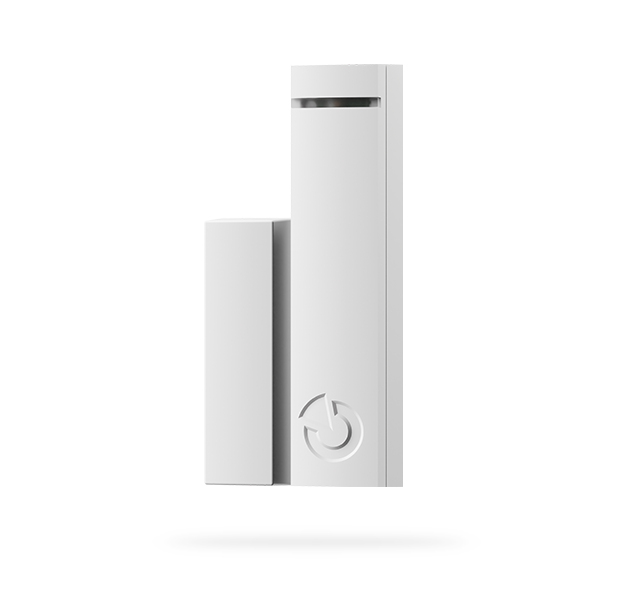 JA-153M
Wireless magnetic detector with recognition of external magnetic fields
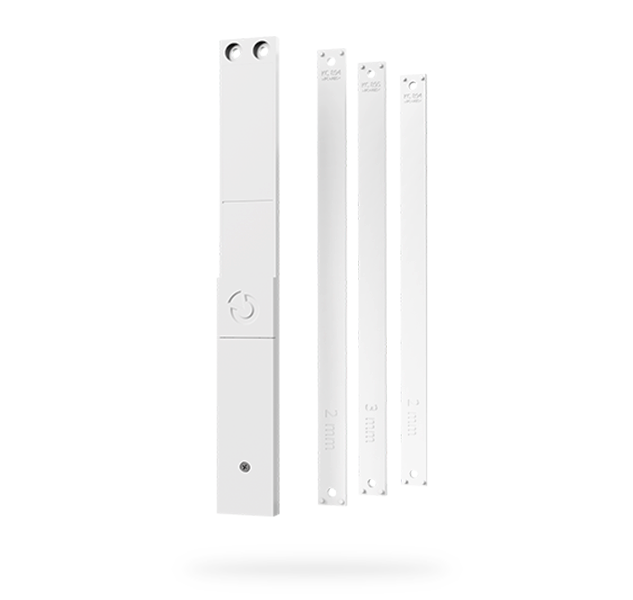 JA-152M
Wireless hidden magnetic detector
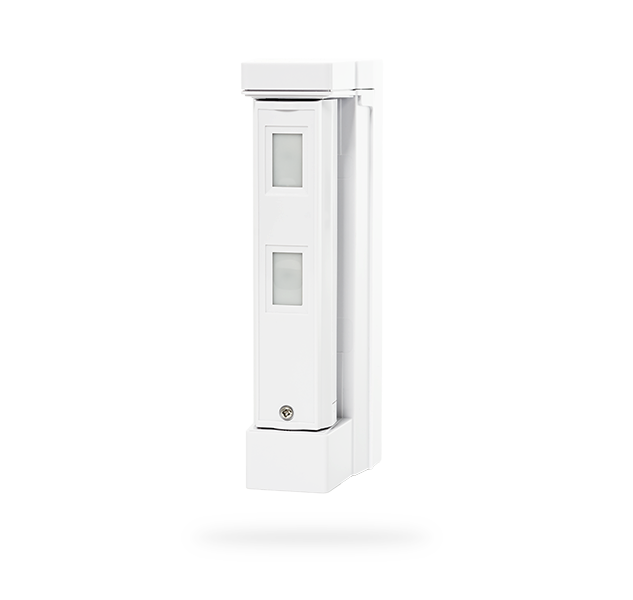 JA-157P
Dual zone outdoor wireless motion detector - curtain
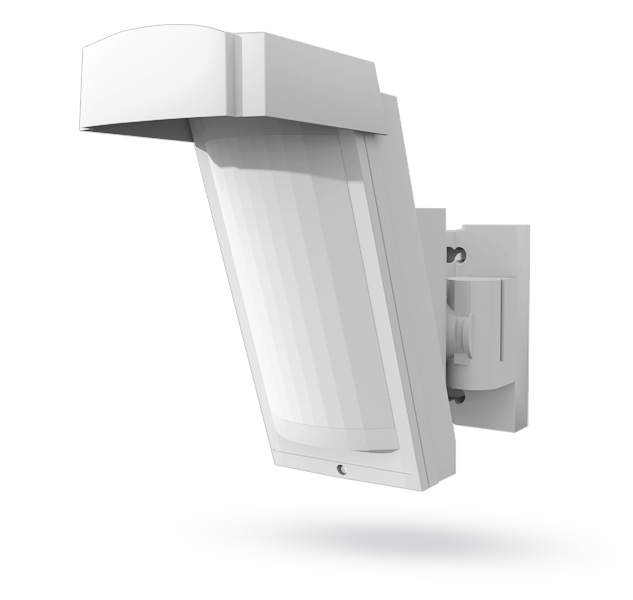 JA-158P
Wireless outdoor PIR detector
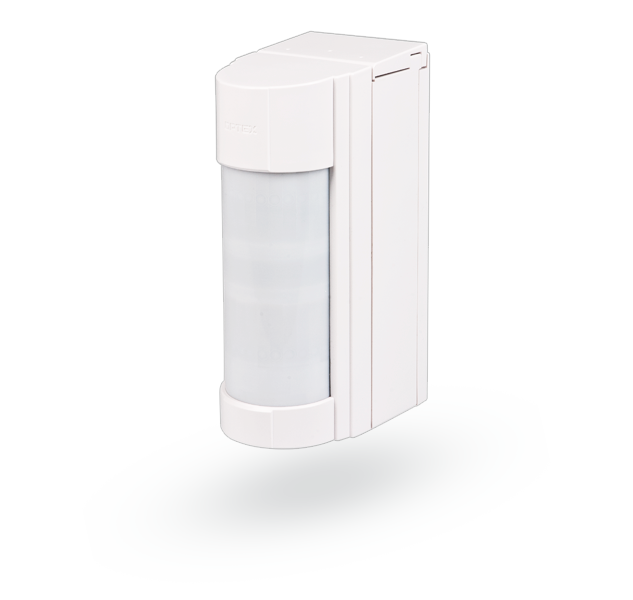 JA-159P
Wireless outdoor PIR detector
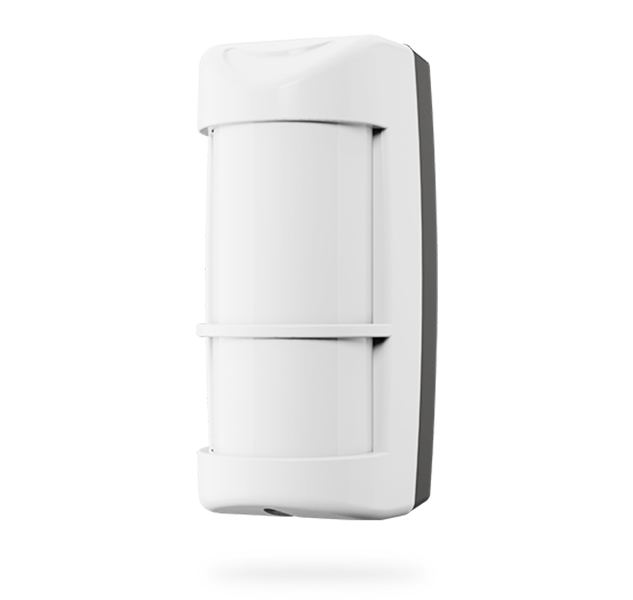 JA-169P
Outdoor two-zone PIR motion detector